Chimney and leadwork in Teesside
Chimney repointing, reflaunching, lead flashing repairs, new pots and cowls, and full or partial removals across Teesside. Typical chimney work runs £250 to £700, with access the main variable. Every quote states scaffolding costs separately and up front.
The most leak-prone thing on your roof
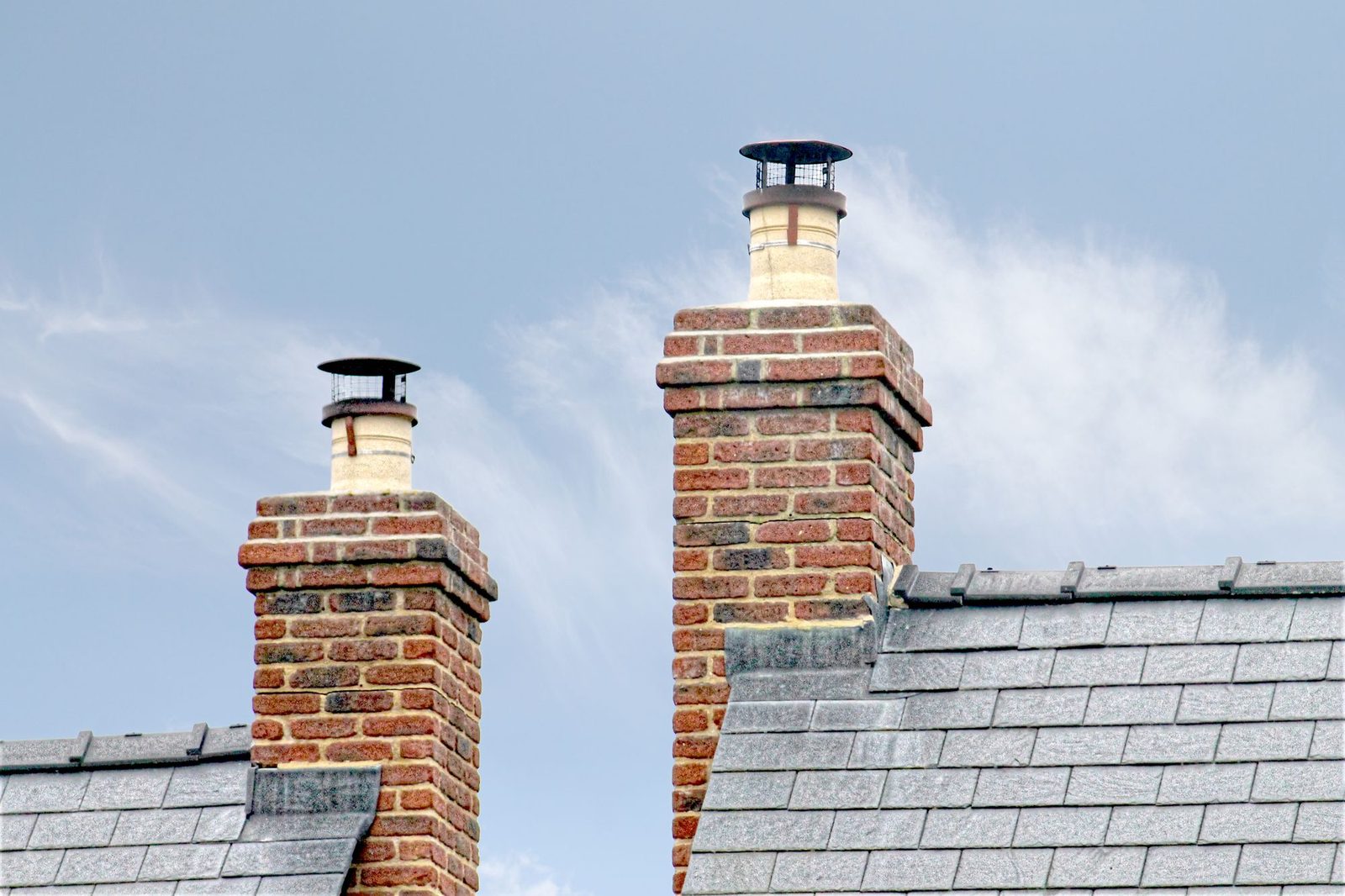
Chimneys cause a disproportionate share of Teesside's roof leaks, and it is easy to see why: a stack of brickwork sticking through the covering, exposed to weather on all four sides, relying on mortar flaunching at the top and lead flashing at the bottom. Teesside's older terraces and semis all have them, most still serving fires that have not been lit in decades, quietly weathering in the North Sea wind.
The failures come in order. Flaunching, the mortar bed holding the pots, cracks first. Pointing follows, opening joints that let water into the stack itself. Then the lead flashing at the roof line lifts or splits, and the damp patch appears on the chimney breast inside, usually blamed on everything except the chimney for a season or two.
What the common jobs cost
Repointing and reflaunching a typical stack runs £250 to £700, with access doing most of the price-setting: a stack reachable from a tower or a lower roof slope costs a fraction of one needing full scaffolding. Lead flashing repairs start around £150, full reflashing £300 to £600. A redundant stack taken down below roof level and tiled over typically runs £800 to £1,500, and removes a maintenance item for good. Quotes always separate scaffolding so you can see exactly where the money goes.
Leadwork done properly
Lead flashing lasts decades when it is installed by someone who understands it: correct code (thickness) for the application, bays short enough to allow thermal movement, proper chase joints into the brickwork rather than mortar smeared over the top. Most leadwork failures are installation failures, cut corners that open up within a few winters. Replacement lead is one of those jobs where the cheapest quote is usually the most expensive outcome.
Pots, cowls and birds
Disused flues should be capped, not sealed: a cowl or ventilated cap keeps rain and jackdaws out while letting the flue breathe, which prevents condensation damp inside the stack. Live flues need the right cowl for the fuel. Either way it is a small job, typically £100 to £250 including the cowl, that prevents a much bigger one.